[tnc-pdf-viewer-iframe file=”https://ridetrinitymetro.org/wp-content/uploads/2020/01/DBE_Newsletter_Sept_online_mech.pdf” width=”800″ height=”600″ download=”true” print=”true” fullscreen=”true” share=”true” zoom=”true” open=”true” pagenav=”true” logo=”true” find=”true” current_view=”true” rotate=”true” handtool=”true” doc_prop=”true” toggle_menu=”true” toggle_left=”true” scroll=”true” spread=”true” language=”en-US” page=”” default_zoom=”auto” pagemode=”” iframe_title=”DBE Newsletter September 2016″]
Category: Uncategorized
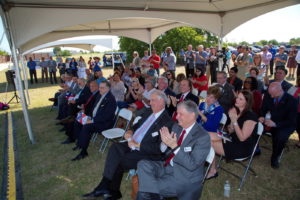
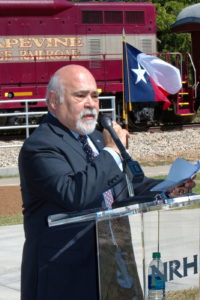
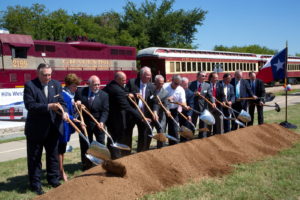
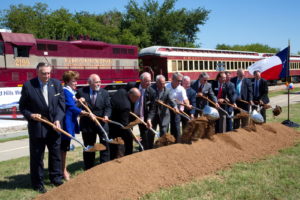
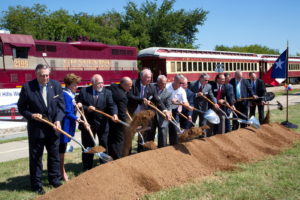
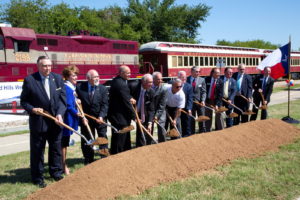
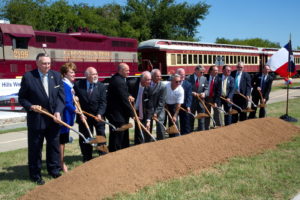
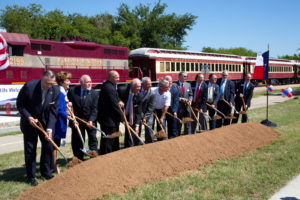
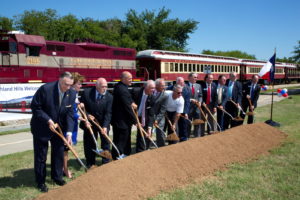
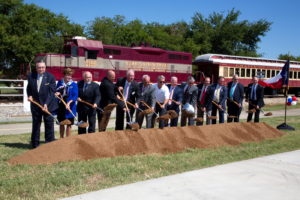
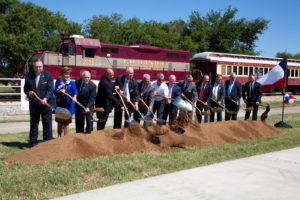
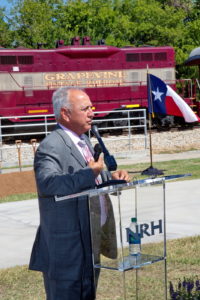
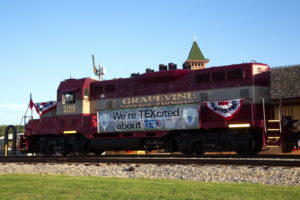
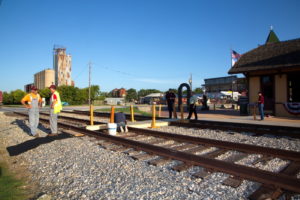
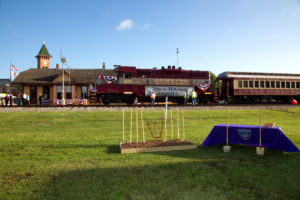
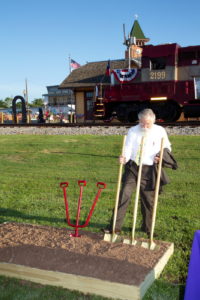
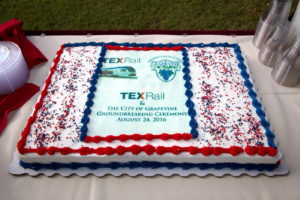
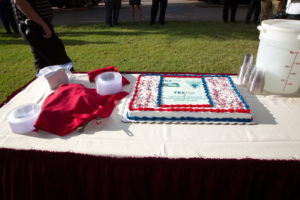
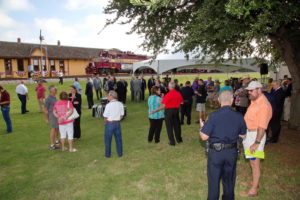
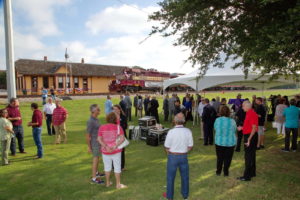
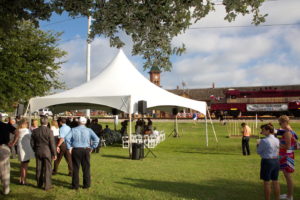
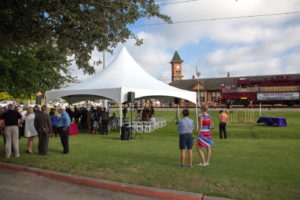
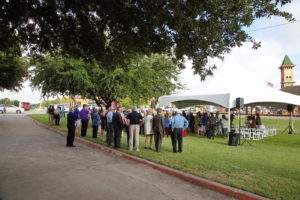
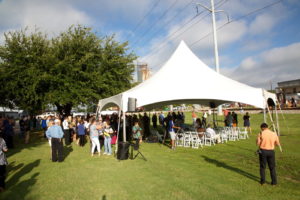
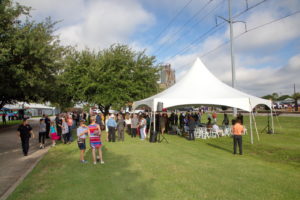
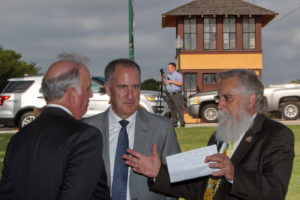
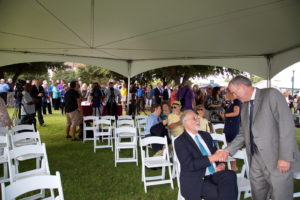
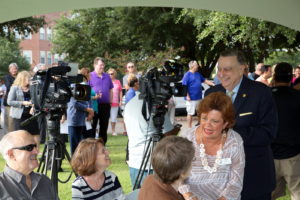
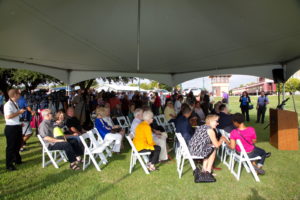
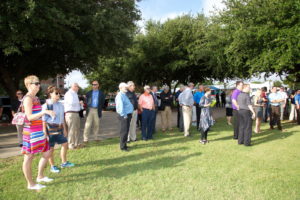
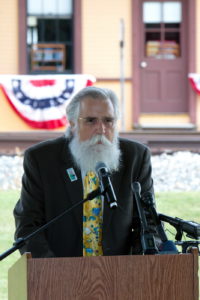
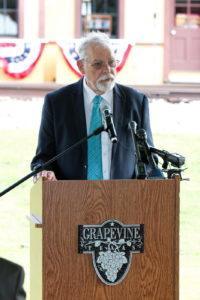
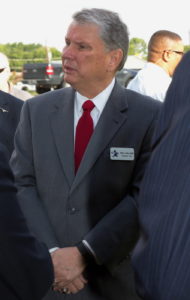
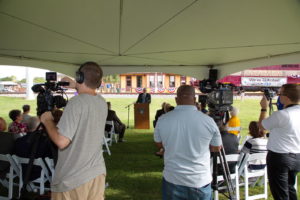
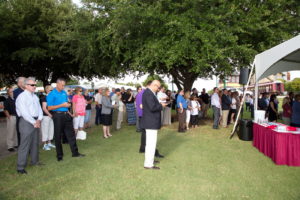
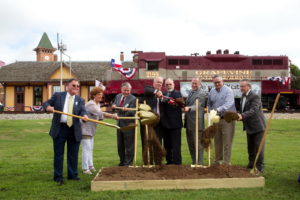
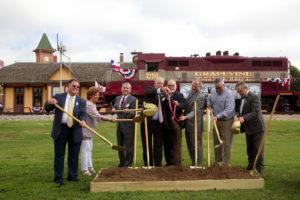
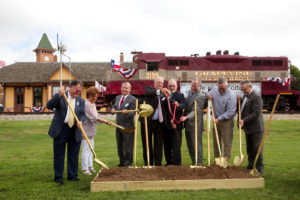
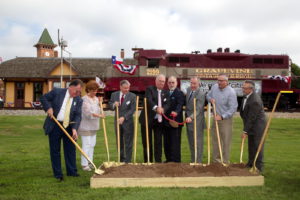
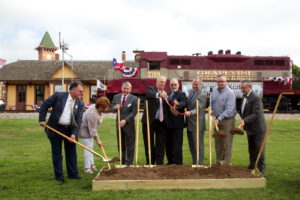
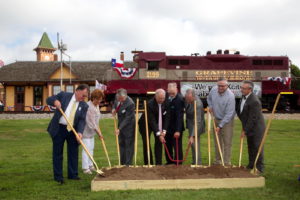
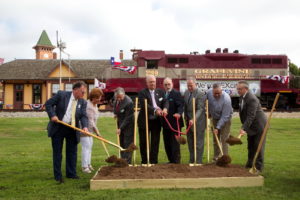
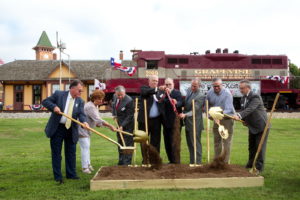
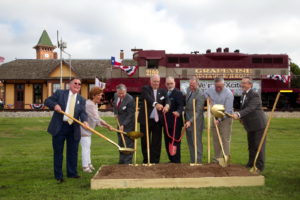
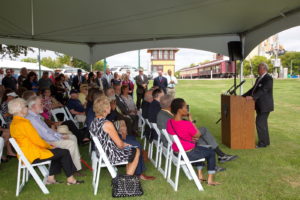
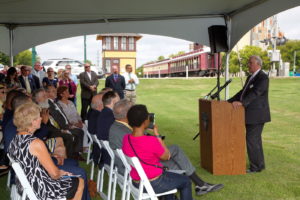
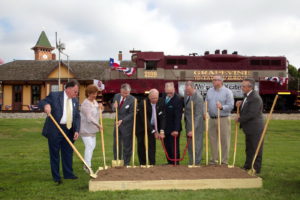
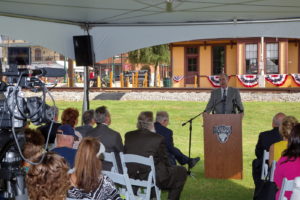
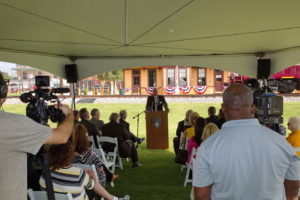
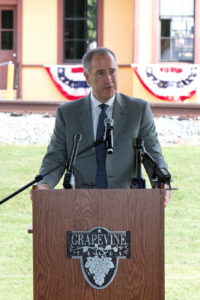
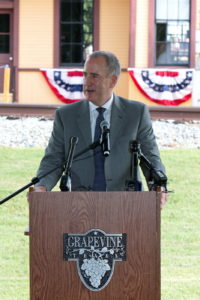
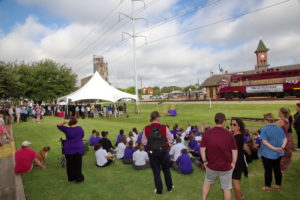
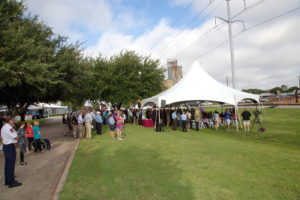
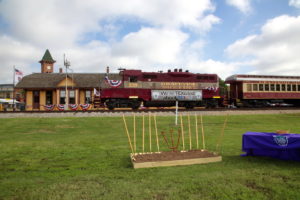
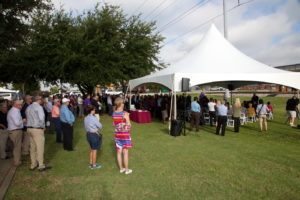
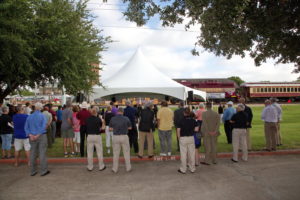
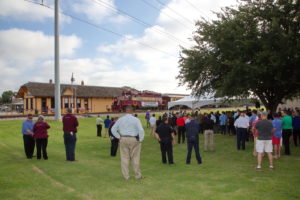
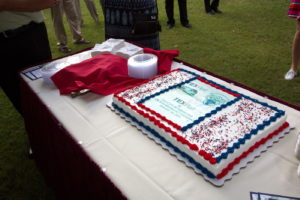
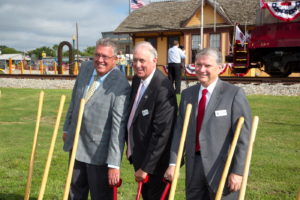
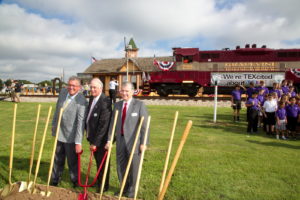
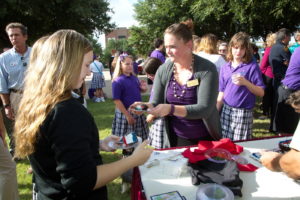
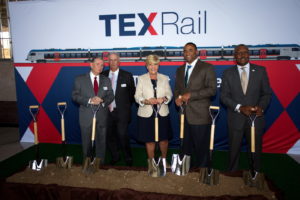
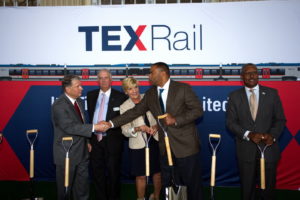
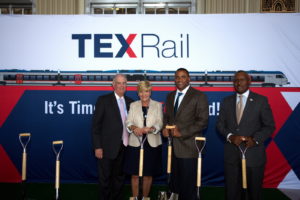
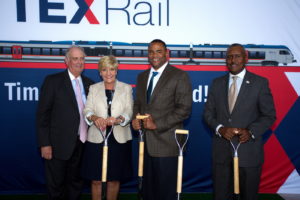
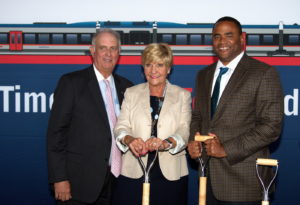
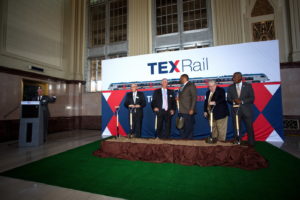
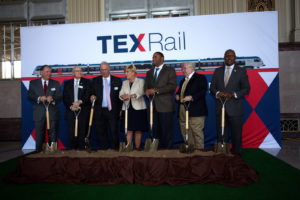
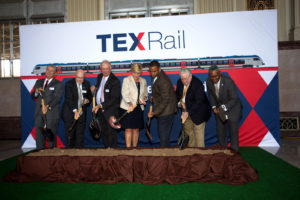
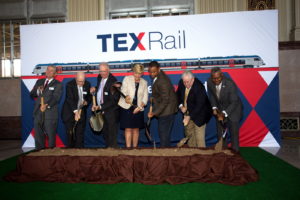
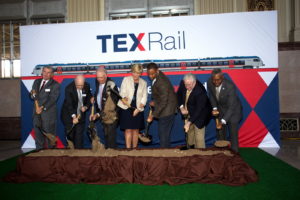
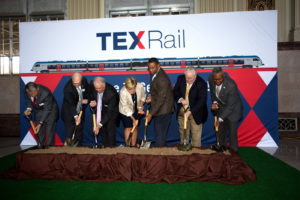
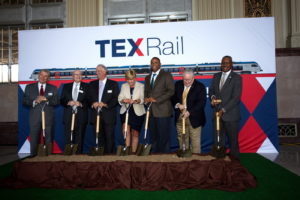
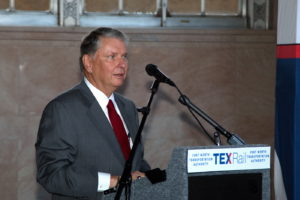
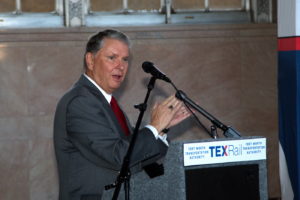
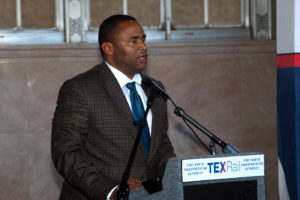
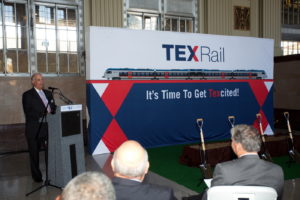
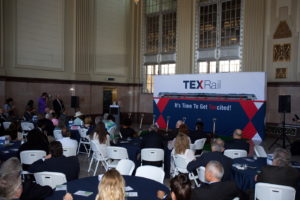
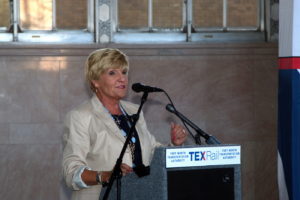
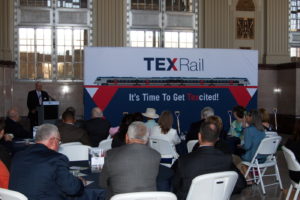
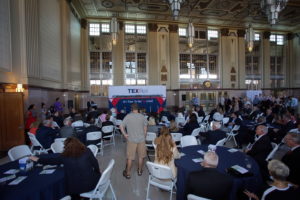
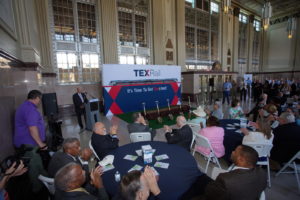
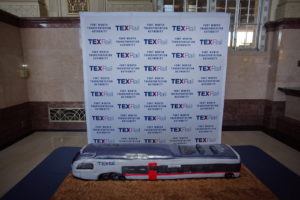
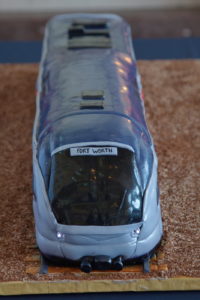
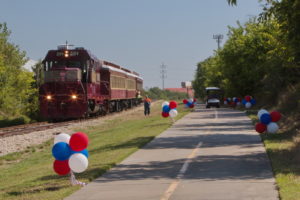
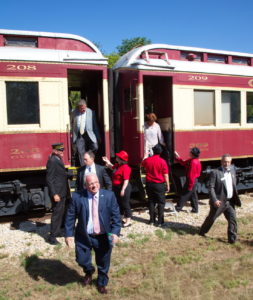
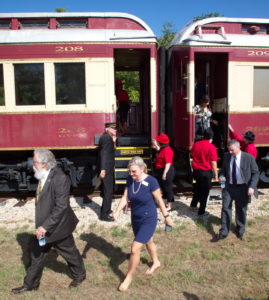
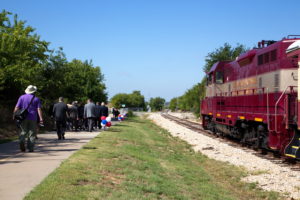
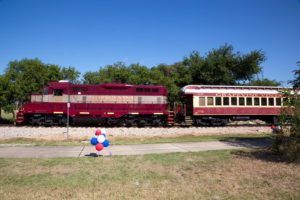
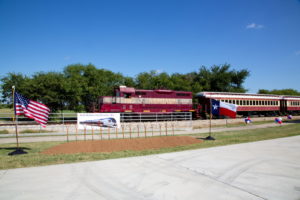
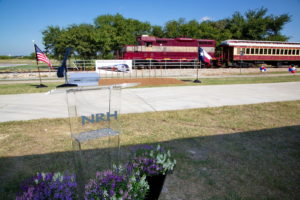
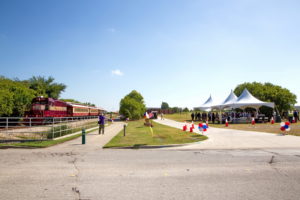
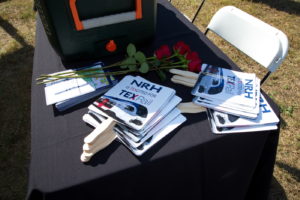
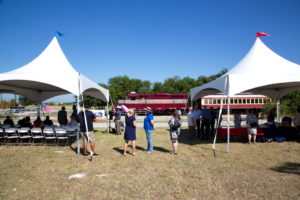
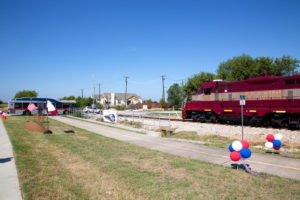
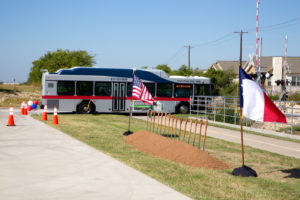
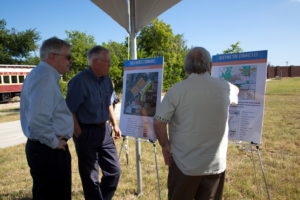
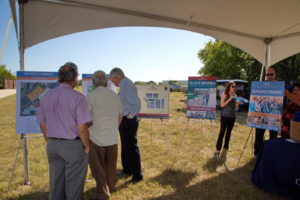
TEXRail Groundbreaking Photos
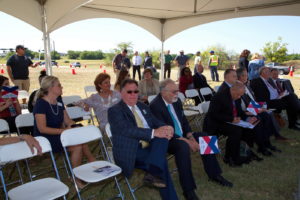
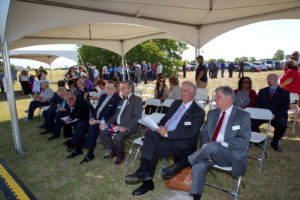
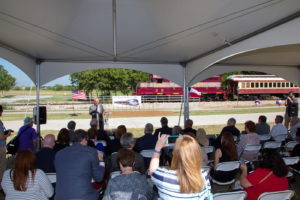
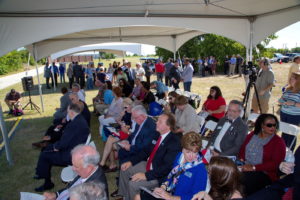
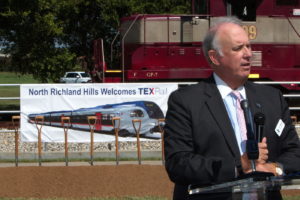
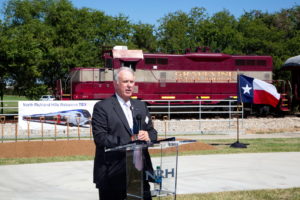
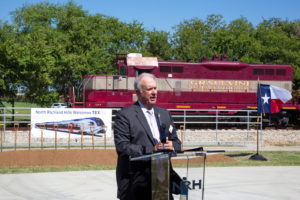
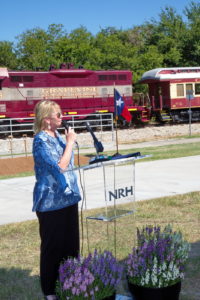
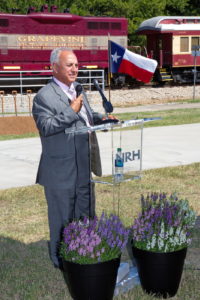
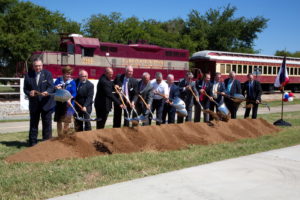
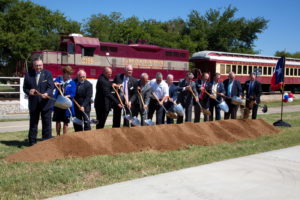
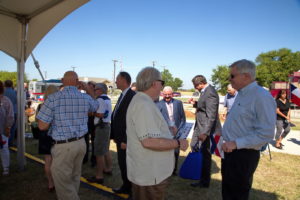
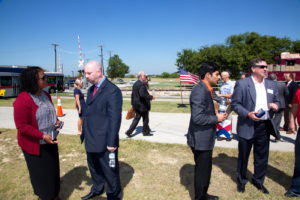
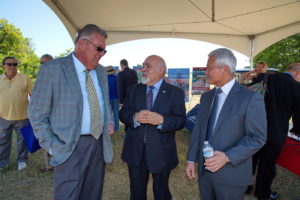
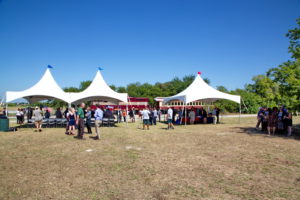
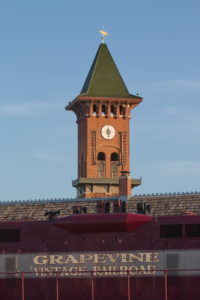
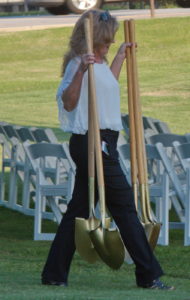
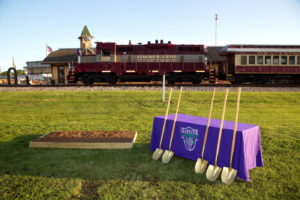
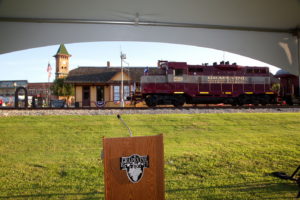
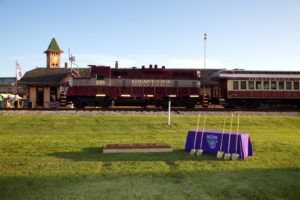
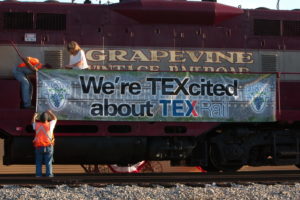
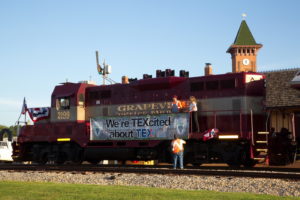
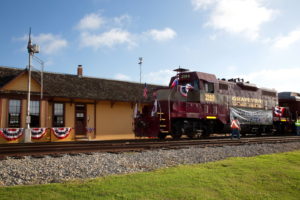
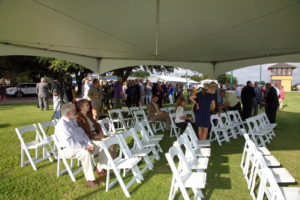
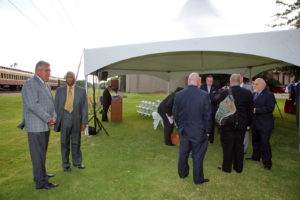
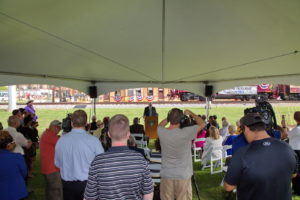
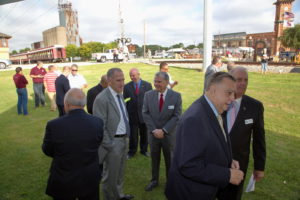
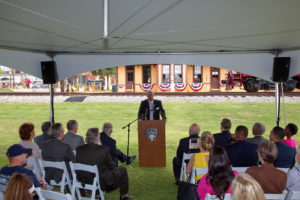
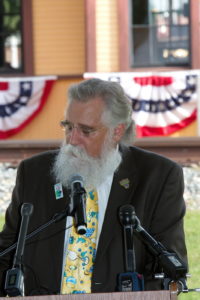
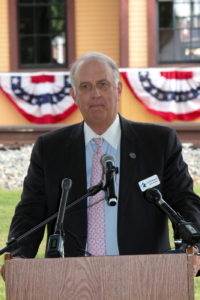
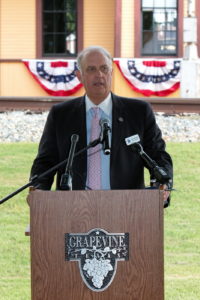
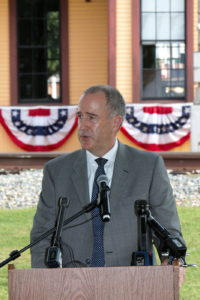
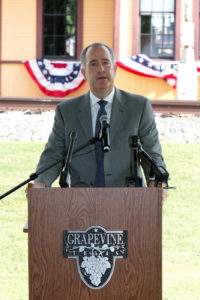
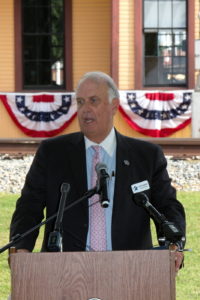
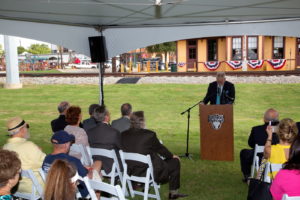
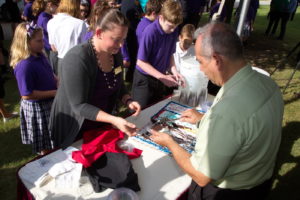
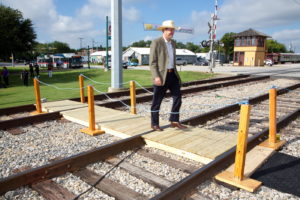
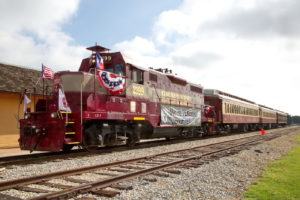
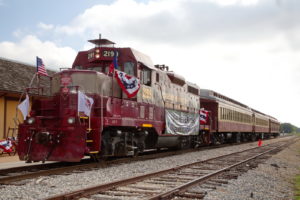
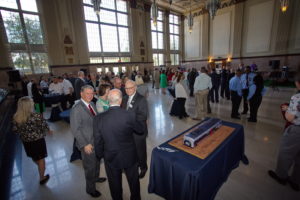
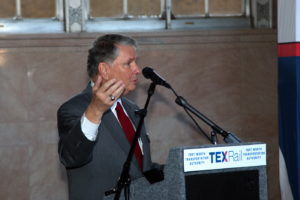
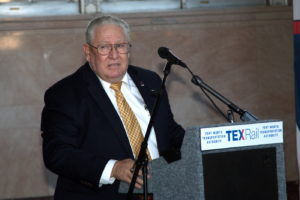
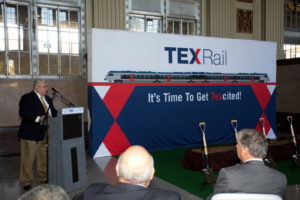
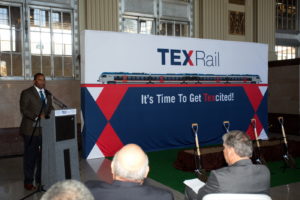
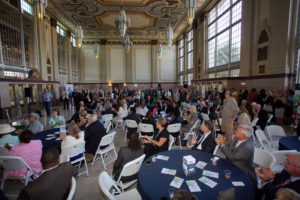
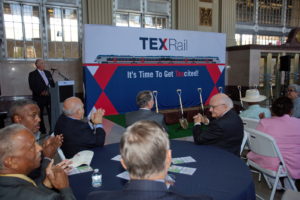
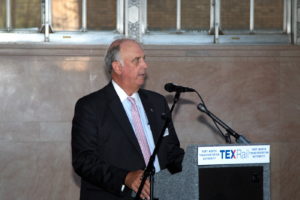
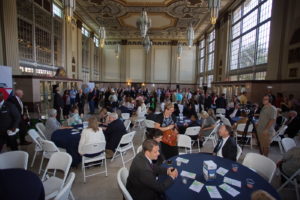
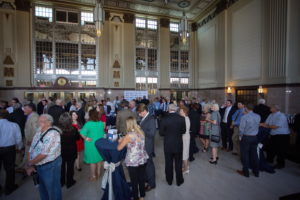
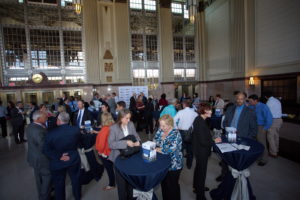
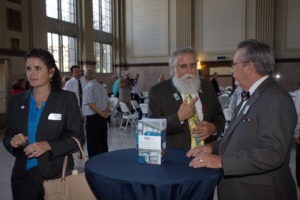
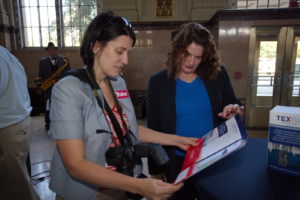
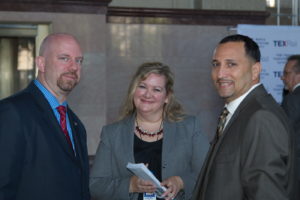
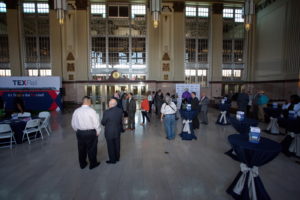
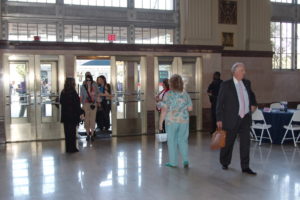
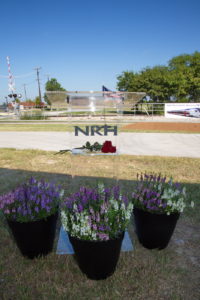
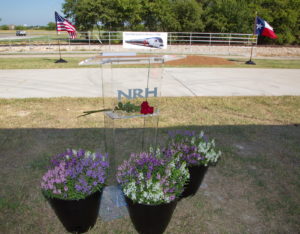
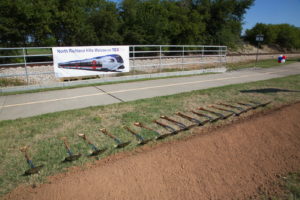
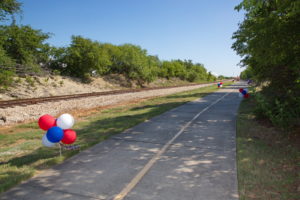
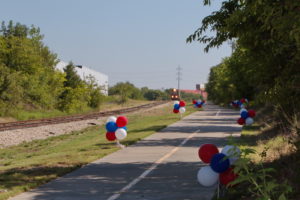
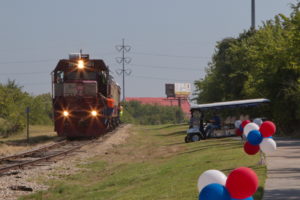
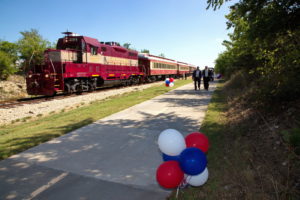
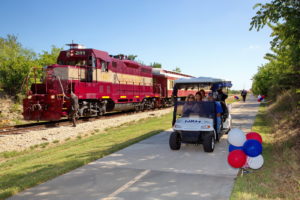
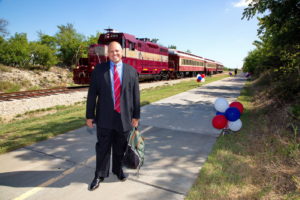
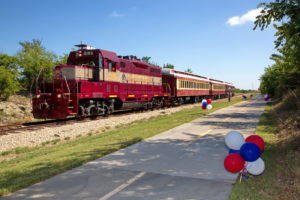
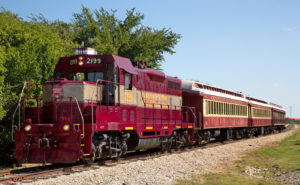
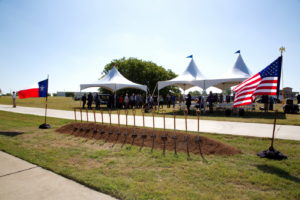
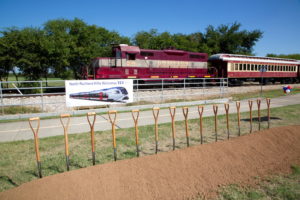
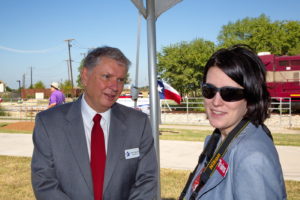
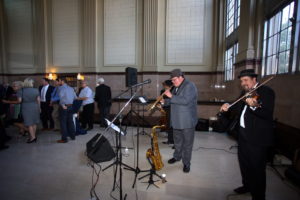
Celebrations were held at three locations along the TEXRail route: T&P Station in Fort Worth, North Richland Hills and Grapevine Main Street Station.
TEXRail Breaks Ground, 3 Times in One Day
Published in Passenger Transport (August 25, 2016):
A new commuter rail line that will run from downtown Fort Worth to the airport kicked off construction in bold fashion – with three groundbreakings in one day. Trinity Metro’s TEXRail project celebrated at Fort Worth’s historic Texas & Pacific Station, which will be the beginning of the route, as well as in Grapevine and North Richland Hills.
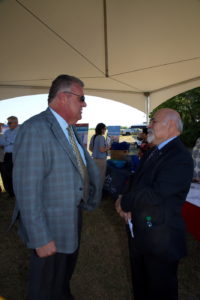
“We are delighted to have this project underway,” said Paul Ballard, president/CEO of the Trinity Metro. “TEXRail is a tremendous achievement for our region and our customers.”
TEXRail’s 27-mile line will go through Fort Worth’s four stations and five others, including two in North Richland Hills and one in Grapevine. Service will begin in late 2018, and more than 9,000 daily riders are expected by the end of the first year of operation. By 2035, that number is projected to grow to 14,000 riders.
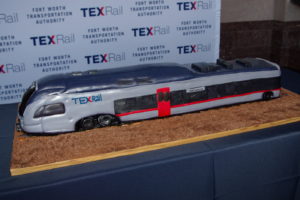
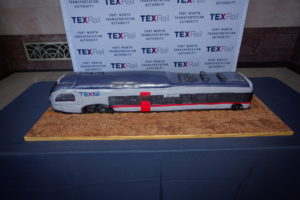
Bob Baulsir, vice president of railroads and procurement, said riding TEXRail will be hard to resist. “Once people have the chance to see how smooth and elegant this Stadler vehicle is, they will see that it’s the way to go. Why suffer through white-knuckle driving in traffic when you can sit back and enjoy the ride?”
TEXRail will operate 44 diesel multiple unit (DMU) passenger trains per day. The bidirectional train has the engine in the middle and the operator sits at either end of the DMU.
“One of the greatest features of TEXRail is that we’ll have positive train control for enhanced safety,” Baulsir said. “These trains feature state-of-art technology that will provide a great rider experience.”
Ballard said he is excited for all the project will bring with it. “We have transit-oriented development planned throughout the region, from residential living to retail to boutique hotels,” he said. “Public transportation has a very bright future in North Texas.”
This article was published in Passenger Transport on August 25, 2016.
TEXRail Groundbreaking
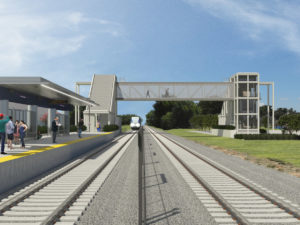
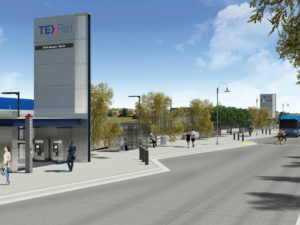
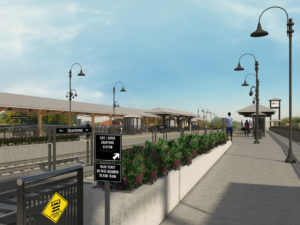
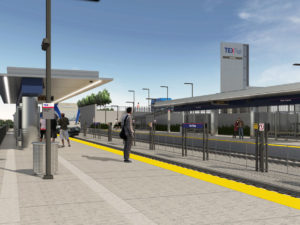
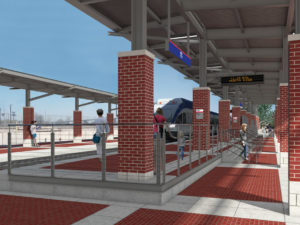
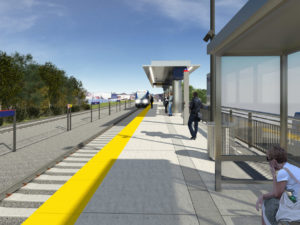
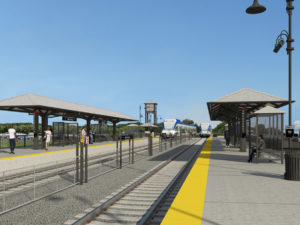
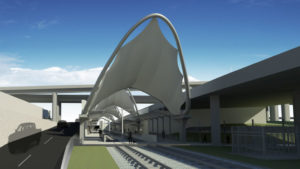
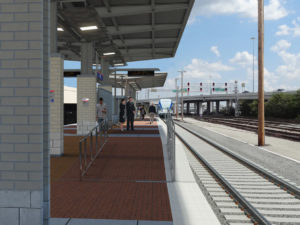
TEXRail Station Images
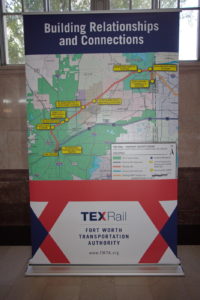
TEXRail will have 9 stations along the route from FWTA’s Intermodal Transportation Center (ITC) in downtown Fort Worth to DFW International Airport at Terminal B.


FWTA Gets Greenlight to Start TEXRail Construction
FORT WORTH, TEXAS (June 27, 2016) On June 27, the Federal Transit Administration awarded a Letter of No Prejudice (LONP) to Trinity Metro for TEX Rail, which means that construction for the 27-mile commuter rail can break ground in July. The LONP authorizes Trinity Metro to proceed with procurement of all materials and construction activities planned for the first six months. “We are delighted to receive the Letter of No Prejudice,” said President/CEO Paul Ballard. “We can now secure the prime contract and all subcontracts while locking in current pricing. This has been a long journey and we can’t wait to get started on construction next month.” Bob Baulsir, vice president of railroads and procurement, said the LONP means Trinity Metro can start spending the local funding it has in reserves while awaiting the Full Funding Grant Agreement. “This is a great day for TEX Rail and Trinity Metro – and it’s the beginning of a great rail system that will serve thousands in our region.”
TEX Rail will extend from downtown Fort Worth, across northeast Tarrant County, through North Richland Hills and Grapevine, and into Dallas/Fort Worth International Airport’s Terminal B. The commuter rail line, which will begin service in late 2018, is projected to serve more than 8,000 daily riders at nine stations by the end of the first year of operation. By 2035, nearly 14,000 daily riders are projected to ride the system.
Rail agreement signing lauds TEXRail milestone
Partnership was the reason, and rail transit was the focus of a Thursday meeting where representatives of five agencies signed a agreement related to the TEXRail commuter rail plan.
Service is expected to begin in 2018.
Fort Worth Transportation Authority’s president and CEO Paul Ballard introduced TEXRail agency representatives after he and several officials signed the agreement for the TEXRail commuter rail project partners.
The representatives flew from across the country to meet at the Intermodal Transportation Center in downtown Fort Worth to signal their cooperation that will be “the envy of the rest of the country” according to Ballard.
The ITC is one of the 10 stations where rail vehicles will operate when TEXRail service begins in 2018 from downtown Fort Worth, northeast across Tarrant County to Grapevine and into Terminal B at Dallas/Fort Worth International Airport.
The focus of Thursday’s gathering was the celebration of railroad partners: Fort Worth and Western Railroad, Dallas Area Rapid Transit, Union Pacific Railroad and Amtrak. Each railroad’s representative acknowledged the level of cooperation and what they consider positive benefits for their customers and constituents.
“Ultimately, the citizens who have strongly supported the project through the public involvement process since day one are the real beneficiaries,” Ballard said.
Article on FW Biz Press by A. Lee Graham – Fort Worth Business
Railroads sign TEXRail agreements as project gains federal funds
FORT WORTH
Of all the problems that have plagued efforts to develop the TEXRail commuter line during the past decade, a lack of permission from four railroads to use their tracks was the most pesky.
That hurdle was eliminated Thursday when representatives of the rail companies gathered in Fort Worth to sign eight agreements that collectively clear the way for Trinity Metro to begin operating TEXRail from downtown to Grapevine and Dallas/Fort Worth Airport, possibly by late 2018.
Article on Star-Telegram by Gordon Dickson – Fort Worth Star-Telegram
Fort Worth Transportation Authority Commemorates TEXRail Milestone with Rail Agreement Signing
FORT WORTH, TEXAS (December 17, 2015) Representatives of five agencies signed an historic rail agreement today related to the TEX Rail commuter rail, slated to begin service in 2018.
Trinity Metro’s President & CEO Paul Ballard introduced TEX Rail agency representatives after the historic signing of agreement for the TEX Rail commuter rail project partners. These representatives flew from across the country to meet at the Intermodal Transportation Center in downtown Fort Worth to signal their cooperation that will be “the envy of the rest of the country” according to Ballard.
The focus was the celebration of railroad partners: Fort Worth and Western Railroad, Dallas Area Rapid Transit, Union Pacific Railroad and Amtrak. Each railroad’s representative acknowledged the unprecedented level of cooperation and the very real and positive benefits for their customers and constituents.
Ballard thanked these “partners” who have worked to reach this point, including federal, state and local partners, as well as consultants, engineers, builders and other private partners.
“Ultimately, the citizens who have strongly supported the project through the public involvement process since Day One are the real beneficiaries,” Ballard said.
Cities counting on new ‘villages’ for retail success
“Urban villages” aren’t just urban anymore.
New mixed-use developments in downtown Arlington and North Richland Hills will combine both retail shops and residential living, helping drive business success.
A $70 million development in North Richland Hills, Iron Horse Village, even includes a planned transit station on the TEX Rail commuter line from Fort Worth to DFW Airport.
Developers say the village will include 257 apartments in the first phase, all marketable to downtown commuters or frequent travelers.
The first floors of the four-story buildings are designated for small neighborhood shops or restaurants — the kind of “walkable” local retail found in mixed-use centers in Fort Worth or Dallas.
Arlington’s $49 million 101 Center is expected to break ground this month, bringing six floors of shops and apartments to a complex on the site of the old downtown library.
It’s the first city-style mixed-use center in Arlington, bringing downtown the kind of night and weekend traffic familiar from Dallas’ Uptown or Fort Worth’s West 7th.
Developers say the project will include 221 apartments, including “live-work” units providing small home offices adjacent to apartments.
Southlake Town Square is in its own building boom, expanding with a six-story office building, 30 larger brownstone homes and 36 $1 million condominiums.
Sales tax receipts show steady growth across Tarrant County, defying logic amid the local jobs downturn reported Friday by the Federal Reserve Bank of Dallas.
August data show that the Fort Worth-Arlington area has lost jobs through the first eight months of 2015, primarily because of the collapse of oil prices and the decline in fracking in the Barnett Shale.
While Fort Worth-Arlington has lost 2,300 jobs, the Dallas area has added 48,700 jobs, mostly due to growth in business and professional service companies.
Yet many Tarrant County cities are seeing sales tax growth of 5 percent or more, indicating that the energy losses may be offset.
Continued growth at Lockheed Martin Aeronautics would help even more. The company says the F-35 program is already driving 10,000 jobs at 73 North Texas suppliers, and supporting 28,000 indirect jobs.
Even with recent job losses, the announcement of major new retail-residential developments is a positive sign.
There is plenty of reason for developers to remain confident in the future growth and success of Tarrant County and North Texas.
Article on Star-Telegram, Editorial — Fort Worth Star-Telegram